
As modern science rediscovers photonics’ role in biology, the Sphinx stands as a timeless decentralized guide to life.

Evolutionary and Quantum Foundations
Human evolution marked a reduction in brain size from Neanderthals (1500 cm³) to Homo sapiens (1350 cm³), reflecting a shift toward efficiency in neural architecture. This is symbolized by the Sphinx’s smaller head, which aligns with the thermodynamic principle that smaller scales enhance electromagnetic interactions via the inverse square law, optimizing quantum processes in the brain. Microtubules, made of tubulin (the brain’s most abundant protein), are key to this optimization. These structures are metamaterials with quantum optically active aromatic rings oscillating at optical frequencies in periodic lattices at ambient temperature. As time crystals, microtubules encode memory at low energy, a process inhibited by anesthesia, which disrupts tubulin’s quantum activity. The brain uses analog computing with waves, light (biophotons) and electric field waves, for energy-efficient information processing, balancing minimal energy for memory and higher energy for cognition.

Tryptophan, Methionine, and Circadian Time Crystals
The Sphinx’s builders may have encoded another layer of biological wisdom: the role of tryptophan and methionine as time crystals in the circadian mechanism. Tryptophan and methionine are unique among the 20 amino acids in human DNA, each coded by a single codon, UGG for tryptophan and AUG for methionine. Methionine, an essential amino acid obtained from the environment, is the universal start codon for protein translation, acting as a gatekeeper that quantizes energy flux in the cell. Each peptide bond costs 5 ATP, and methionine’s exclusivity ensures electromagnetic waves don’t interrupt this process, maintaining signal fidelity. Tryptophan, meanwhile, is a precursor to melatonin, a “seasonal switch hitter” that regulates circadian rhythms and metabolism.
Tryptophan catabolism in humans is complex: it can produce acetyl-CoA (a precursor to ketones), the glucogenic amino acid alanine, and acetyl-CoA carboxylase (ACC), linking it to energy metabolism. Melatonin, derived from tryptophan, controls mitochondrial DNA and circadian rhythms, interacting with light pulses to “tick” as a time crystal. Methionine, via its environmental sourcing, informs the cell about external conditions, while its sulfated nature ties it to deuterium biology and energy efficiency in the mitochondrial matrix. Together with DHA (docosahexaenoic acid), which has remained unchanged in eukaryotic cell membranes for 600 million years, tryptophan and methionine form the core of the circadian mechanism, linking light, metabolism, and consciousness.

Piezoelectric Limestone and Electromagnetic Antenna Arrays
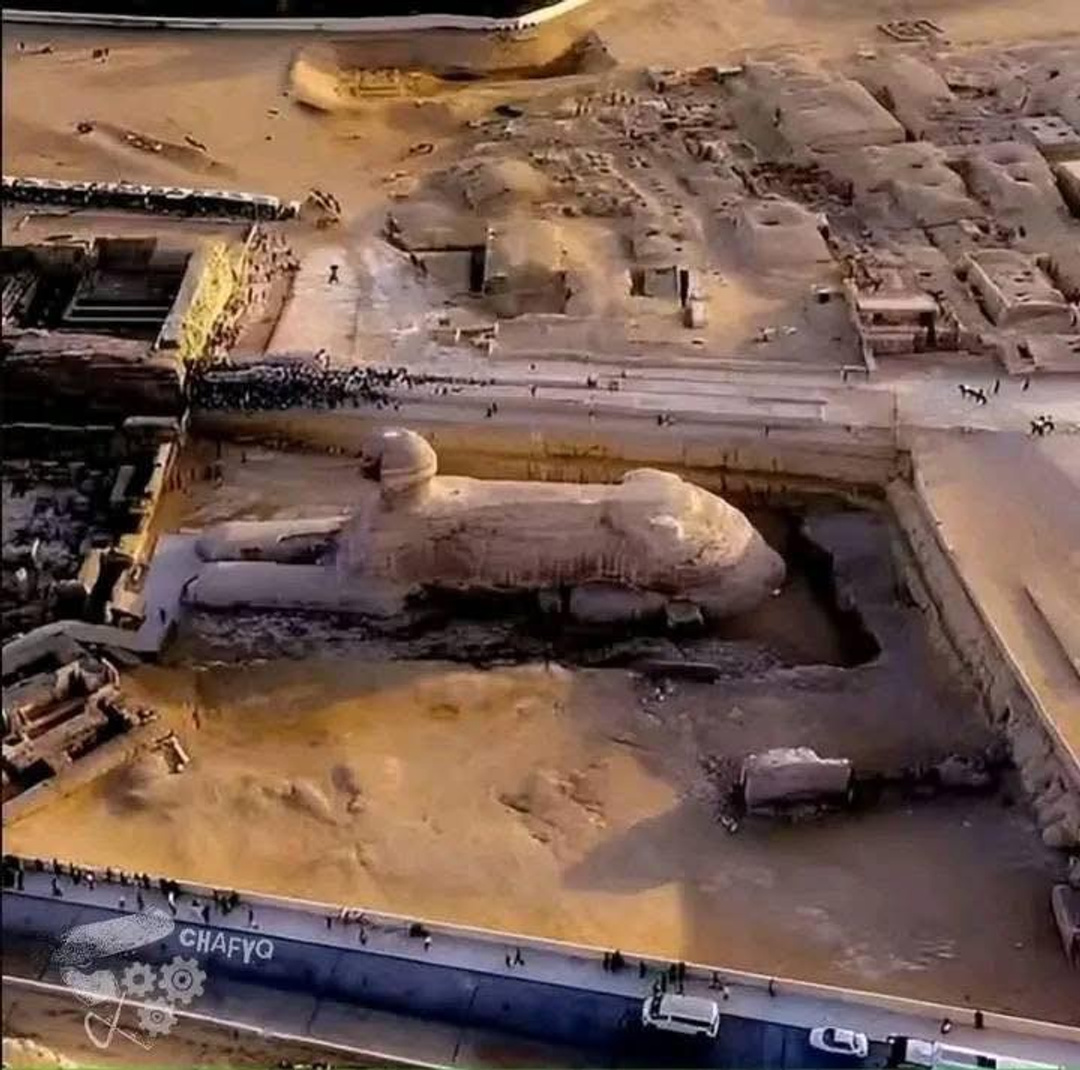
The Sphinx, carved from limestone, may have been a functional device for amplifying these quantum processes. The Sphinx entire head is made from a solid block of limestone. Limestone’s piezoelectric properties generate electric charges under mechanical stress (e.g., from wind or rituals), which could resonate with the brain’s electric field waves and the body’s electromagnetic antenna arrays, particularly in the skin, where apocrine glands and melanopsin/retinol systems detect light. The cavity on the Sphinx’s head, visible in the image at the begining of the blog, might have been a focal point for this resonance, channeling vibrations to enhance biophoton activity in microtubules and melatonin production via tryptophan. The eastward orientation, facing the rising sun (aligned with the constellation of Leo at the spring equinox around 10,500 BCE, per Robert Bauval), harnessed solar photons to stimulate these systems, awakening consciousness and syncing circadian rhythms with cosmic cycles.

Geometric Encoding of Quantum Principles
The geometric overlay in the image, concentric circles and triangles aligning the Sphinx’s head with the pyramid, reveals a deliberate design. The circles suggest resonance and wave dynamics, while the triangles evoke a hidden geometry, often associated with energy focusing and harmonic proportions. In quantum biology, life’s complexity arises from patterned energy flow, constrained by biological structures acting as metamaterials. The Sphinx’s geometry may encode these principles, aligning with the brain’s own wave-based processing. Microtubules, made of tubulin, are metamaterials with quantum optically active aromatic rings oscillating at optical frequencies in periodic lattices. As time crystals, they encode memory at low energy, processing information via analog computing with light (biophotons) and electric field waves. The Sphinx’s geometric design could amplify these waves, focusing solar photons to enhance quantum coherence in the brain.
Thermodynamics of Consciousness and Circadian Alignment
The Sphinx’s shrinking head reflects the thermodynamics of consciousness: smaller neural structures enhance electromagnetic interactions, optimizing energy efficiency. The brain’s quantum processes, driven by microtubules and circadian time crystals like tryptophan and methionine, prioritize low-energy memory encoding over high-energy cognition. The eastward gaze symbolizes this awakening, solar light interacts with melanopsin/retinol arrays in the skin, boosting melatonin production and syncing mitochondrial function. This alignment minimizes circadian mismatch, ensuring efficient protein translation (via methionine) and energy metabolism (via tryptophan-derived melatonin).
Modern Circadian Mismatch and the Sphinx’s Warning
The ancients may have understood what modern science is rediscovering: circadian alignment is critical for health. Today, blue light and 5G non-native electromagnetic frequencies (nnEMF) disrupt this system, as Luke Marshall noted. They increase ubiquitin marking, accumulate deuterium in the mitochondrial matrix, and impair Krebs cycle hydration,halting deuterium-depleted water (DDW) production.

This spreads respiratory proteins in the cytochromes, reducing electron transport efficiency, collapsing autophagy, and destroying sleep, lowering melatonin levels. If apoptosis fails, tissues fill with dysfunctional mitochondria, preventing fat burning and proper amino acid use. The Sphinx, with its eastward orientation and quantum design, may have been a warning: align with natural light cycles, or lose the efficiency of your quantum biological systems. Modern man’s Sphinx in front of his eyes is a warning to his demise.

Egyptian Rediscovery and Cultural Layering
When the Egyptians arrived around 3000 BCE, the Sphinx was already ancient, buried in sand up to its neck. They reshaped the head into a human form, possibly associating it with Pharaoh Khafre, and integrated it into their rituals. Later civilizations, from the New Kingdom to the Romans, added their own layers, obscuring its original purpose as a quantum-circadian monument. Yet its design, its proportions, alignment, and limestone composition, preserved its function, subtly influencing those who interacted with it. Below is the Sphinx in 1867.

A Quantum-Circadian Legacy
Photonics, the science of light, has been central to life for billions of years. The Sphinx’s true age, potentially over 12,000 years, challenges conventional history. Its shrinking head encodes the thermodynamics of consciousness and the evolutionary shift toward quantum efficiency. Tryptophan and methionine, as time crystals, link light, metabolism, and circadian rhythms, while microtubules and piezoelectric limestone amplify these processes. The monument’s eastward gaze reminds us to align with solar cycles, harnessing light to awaken consciousness and optimize biology. Modern disruptions like blue light and 5G highlight the Sphinx’s timeless wisdom: biology is quantum-optimized, and circadian alignment is key to health and awareness.

SUMMARY
The cat’s like head has been eroded, and it is believed to have been a cat like lion, looking towards the horizon towards the constellation of Lion, more than 10,000 years ago. Later, when the Egyptians arrived, the legends say they reshaped the head into a human form with Egyptian features. His official history gives about 5,000 years, but from an astronomical perspective, we know it is much older. The history we learn is a largely modified version of the truth. Do I believe the Egyptians reshaped the head? I do not.
Every civilization that reached the resurrection of the Sphinx, and incorporated its culture, religion and ritual practices into this temple. The Egyptians built on existing pyramids and temples adjacent to the Sphinx, for example.

Advanced civilizations were present in many aspects, but a great redefinition redefined reality and order as we know it today. When your consciousness expands, it opens up new possibilities that reverberate deep inside you, to become part of a new way to understand this matrix-like game we exist within.
Might the Sphinx be the mystery of the quotient for quantum biology on Earth?
The Sphinx may be the “quotient for quantum biology on Earth.” Might it represent a mathematical and energetic formula for life’s optimization? The geometric overlay hints at a harmonic ratio, possibly the golden ratio or a fractal pattern, that mirrors the periodic lattices of microtubules and the resonance of circadian time crystals. This quotient could represent the balance between light (photonics), energy efficiency (thermodynamics), and information processing (quantum coherence).
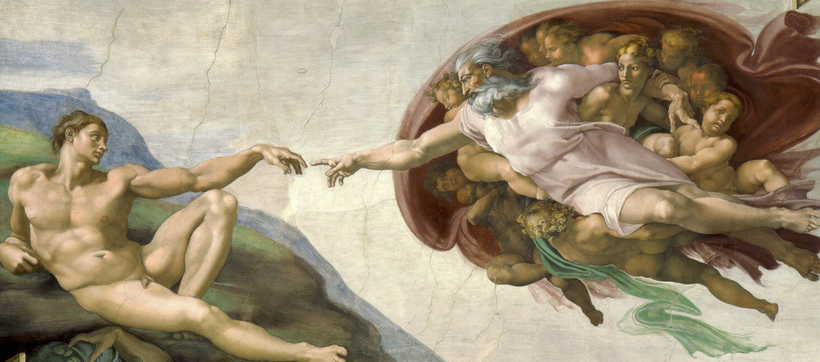
The Sphinx’s alignment with the axis of the rising sun and its piezoelectric limestone amplify this quotient, syncing human biology with cosmic cycles. The cavity on its head, previously noted, may have been a focal point for rituals that enhanced melatonin production and quantum coherence, awakening consciousness in alignment with solar rhythms. I believe the Sphinx reflects an ancient understanding of photonics as a fundamental story of humanity. That story is likely a speck of white plaster between two fingers pictured below.
Modern Implications are Ancient Warnings
My reference to photonics as an ancient story aligns with the Sphinx’s purpose: to remind humanity of light’s role in biology. Modern disruptions like blue light and 5G nnEMF, as noted by Luke Marshall, cause circadian mismatch, increasing ubiquitin marking, accumulating deuterium in the mitochondrial matrix, and impairing energy metabolism. This collapses autophagy, apoptosis, destroys sleep, and lowers melatonin/dopamine, breaking the quantum quotient the Sphinx encodes. The ancients, through the Sphinx’s design, may have warned us to maintain circadian alignment, harnessing natural light to optimize our quantum biology.
What do you see when you see the Sphinx?
CITES